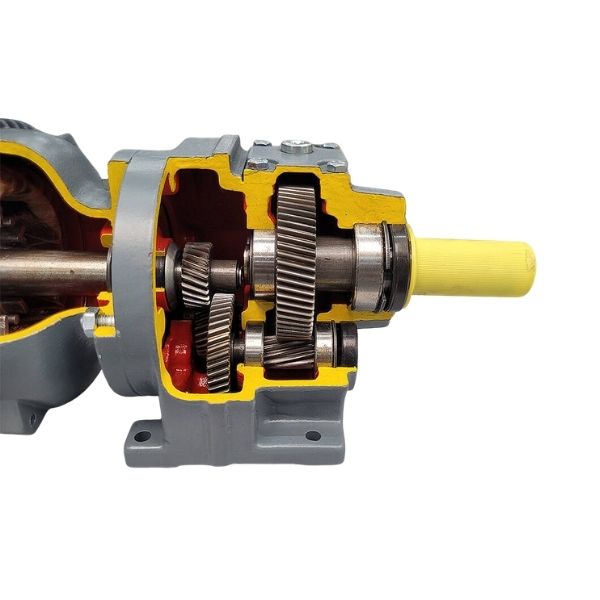
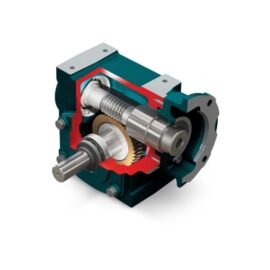
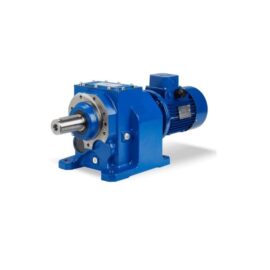
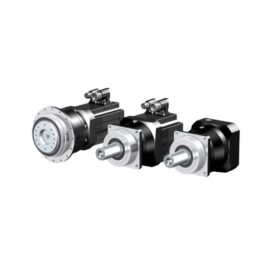
Helical gearboxes use gear teeth cut at a helix angle to the gear axis - creating progressive tooth engagement as the gear rotates rather than the sudden full-face impact of spur gears. This progressive engagement produces smooth, quiet operation and reduces the vibration and dynamic loading that shortens gear and bearing life in heavy-duty drives. The helical tooth form also increases the contact ratio - more tooth area engaged simultaneously - delivering higher load capacity from a given centre distance compared to spur gears. Power transmission efficiency is typically 97-99% per gear stage. Multi-stage designs achieve overall ratios from 3:1 to over 400:1. Input and output shafts can be coaxial (inline), parallel, or at 90 degrees when combined with bevel stages. Foot, flange, shaft, and torque arm mounting configurations cover all standard industrial installation requirements. Service factor selection is critical - helical gearboxes must be sized for the application's actual peak torques, cyclic loading, and daily operating hours, not just nameplate motor power. Thermal rating must be verified for continuous high-load applications. Flanged motor mounting integrates the drive motor directly onto the gearbox for compact combined drive units. Helical gearboxes are the standard drive for cement and mining conveyors, chemical and food processing agitators, compressor and blower drives, cooling tower fans, sugar cane mills, paper machine drives, and virtually all continuous-duty industrial processes where high efficiency, smooth operation, and long service life under steady load are the governing requirements.