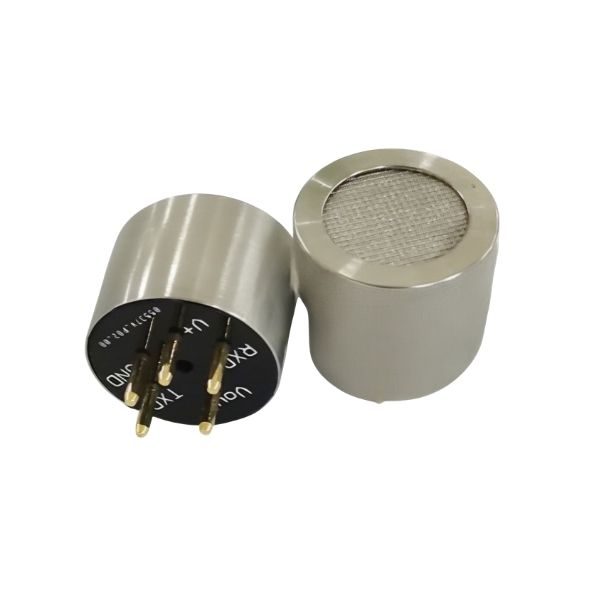
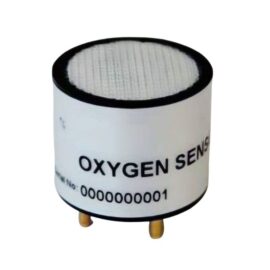
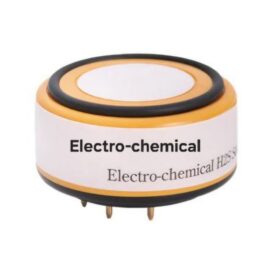
Infrared gas sensors detect gases by measuring the absorption of infrared light at specific wavelengths characteristic of the target gas molecule. Gas molecules with asymmetric molecular bonds - including hydrocarbons, CO2, CO, and refrigerants - absorb IR radiation at defined wavelengths. The sensor passes IR light through a gas sample cell and measures attenuation at the target wavelength compared to a reference wavelength, deriving gas concentration from the absorption level. The IR absorption principle provides important advantages over catalytic bead sensors: no sensitivity degradation in oxygen-deficient atmospheres (catalytic sensors require oxygen to function), no sensor poisoning by silicones, lead compounds, or halogenated hydrocarbons, and significantly longer service life - 5-10 years compared to 2-3 years for catalytic types. The non-consuming detection principle means sensor output does not depend on combustion occurring at the sensor surface. IR sensors are available for methane, LPG, hydrogen, higher hydrocarbons, CO2, CO, and common refrigerant gases. Output options include analogue 4-20mA, Modbus, HART, and relay alarm contacts. ATEX and IECEx certification for hazardous areas Group IIA and IIB is available. Infrared gas sensors are preferred for natural gas distribution infrastructure, offshore and onshore oil and gas facilities, cold storage and refrigeration plant rooms, breweries and fermentation vessels, greenhouse CO2 enrichment monitoring, biogas plants, and industrial processes where long sensor life, oxygen-independent detection, and resistance to sensor poisoning are required over the service life of the installation.