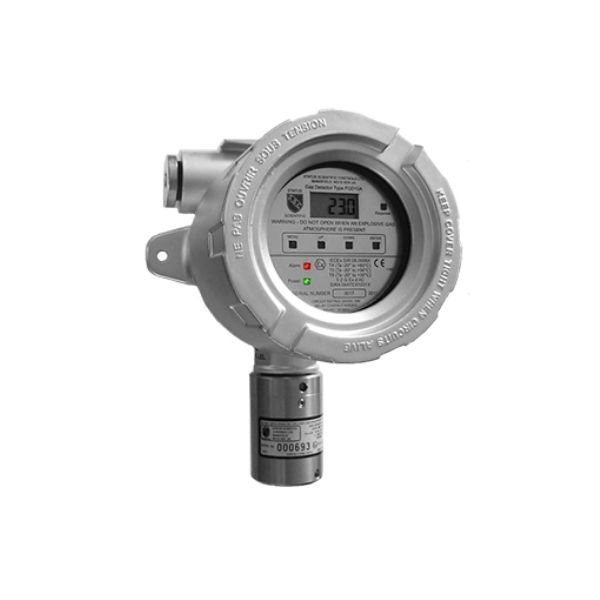
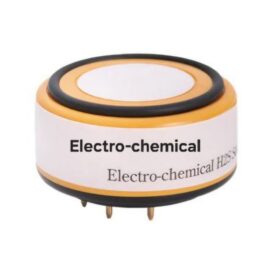
Fixed gas detectors are permanently installed, continuously operating instruments designed to provide uninterrupted atmospheric monitoring of a defined plant area or equipment zone. They form the foundation of a plant gas safety system - continuously measuring gas concentrations and transmitting alarm, warning, and trip signals to connected control systems, alarm annunciators, ventilation systems, emergency shutdown systems, and SCADA platforms. Fixed detector head designs combine a sensing element (electrochemical, IR, catalytic bead, PID, or semiconductor depending on target gas) with transmitter electronics in a weatherproof IP65 or IP66 housing certified for the required hazardous area classification (Zone 1/2 ATEX, Class I Div 1/2 NEC). The transmitter outputs a standard 4-20mA signal - with 4mA at zero gas, 20mA at full scale range, and 2mA as a fault signal - enabling direct connection to any standard PLC analogue input card or dedicated gas detection controller. Multi-gas detector heads combining two or three sensing elements in one housing reduce installation cost where monitoring multiple gases at the same location is required. Two-wire bus systems and wireless fixed detectors simplify installation in large plants or difficult-access locations. Fault diagnostics, remote calibration capability, and data logging are available in advanced platforms. Fixed gas detectors are mandatory safety infrastructure in chemical plants, oil and gas production and processing facilities, offshore platforms, wastewater treatment works, refrigeration plant rooms, pharmaceutical manufacturing, food and beverage fermentation and cooling areas, battery rooms, and any plant environment where gas release creates an ongoing safety, health, or explosion hazard requiring continuous surveillance.