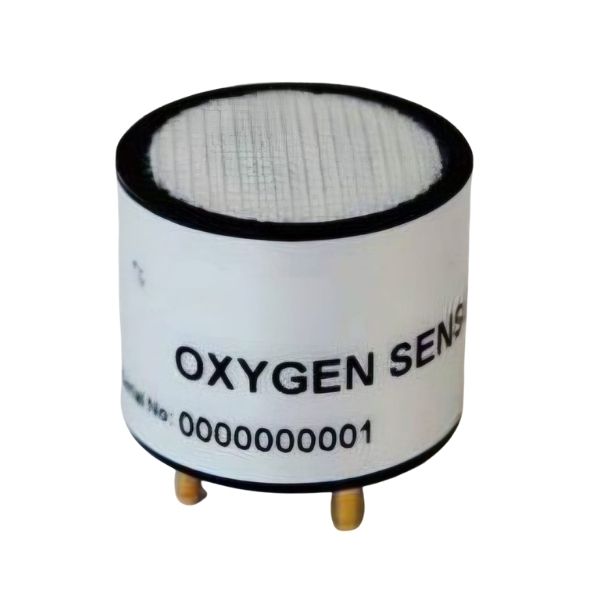
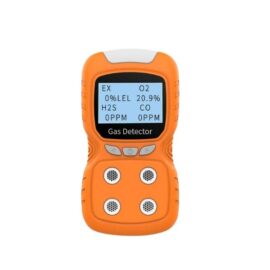
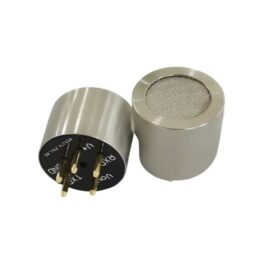
Oxygen sensors measure the concentration of oxygen in the sampled atmosphere, typically expressed as volume percent (%vol). Normal atmospheric oxygen is 20.9% vol; levels below 19.5% are classified as oxygen-deficient (creating a risk of impaired judgement, loss of consciousness, and asphyxiation) and above 23.5% as oxygen-enriched (increasing fire and explosion risk from materials that are ordinarily non-flammable). Two primary sensing technologies are used: electrochemical (galvanic or polarographic) cells, which generate a current proportional to partial pressure of oxygen and offer accuracy, stability, and service lives of 12-36 months; and paramagnetic sensors for high-precision process applications. Galvanic electrochemical cells are most common in safety applications and are the consumable element requiring periodic replacement. Output formats include 4-20mA analogue linear % oxygen, relay alarm contacts at user-set low and high trip points, RS485 Modbus digital, and HART for process instrument integration. ATEX and IECEx hazardous area certification is available for confined space and process applications in classified areas. Aspirated sampling systems are used where the sensor cannot be located directly in the measurement area. Oxygen sensors are mandatory for confined space entry permit systems, nitrogen-blanketed vessel and tank entry, inert gas welding atmosphere monitoring, combustion flue gas analysis, cryogenic liquid storage and handling, laboratory environments using inert gas supplies, and any process where oxygen concentration outside the safe 19.5-23.5% range creates a life safety or process safety hazard.