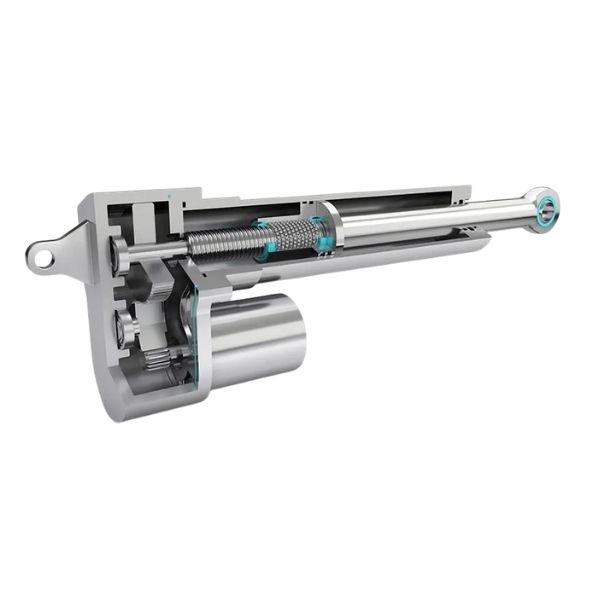
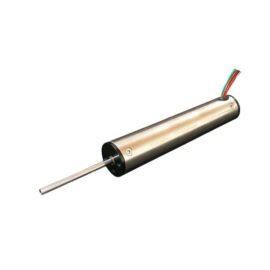
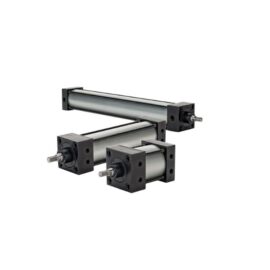
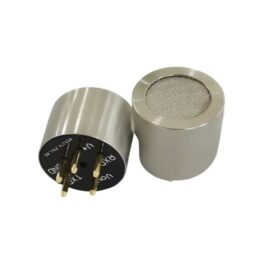
Electric actuators convert electrical energy into controlled mechanical motion - linear, rotary, or multi-axis - using an electric motor driving a lead screw, ball screw, roller screw, or gear train. Electrical drive enables precise position, speed, and force control through an integrated or external controller - parameters programmable and adjustable without mechanical modifications. Key performance advantages over pneumatic and hydraulic alternatives include precise mid-stroke positioning (not limited to end-of-stroke stops), programmable speed profiles, force limiting without mechanical adjustments, energy consumption only during movement (not continuous like pneumatic systems), and clean operation without compressed air lines or hydraulic fluid. Energy efficiency is significantly higher than pneumatic equivalents across full duty cycles. Force ranges span from laboratory actuators generating single-digit Newtons to heavy industrial types producing 50,000N or more. Stroke lengths from 10mm to 2,000mm cover most industrial positioning requirements. Integrated position feedback supports closed-loop control. IP protection ratings from IP54 to IP67 cover factory and washdown environments. Cleanroom-rated designs suit pharmaceutical and semiconductor applications. Electric actuators are specified for pharmaceutical tablet press adjustment, food processing portioning and dispensing, valve and damper positioning, solar panel tracking, precision test equipment, material testing machines, semiconductor process chambers, and any application requiring programmable, precise, energy-efficient positioning without compressed air or hydraulic infrastructure.