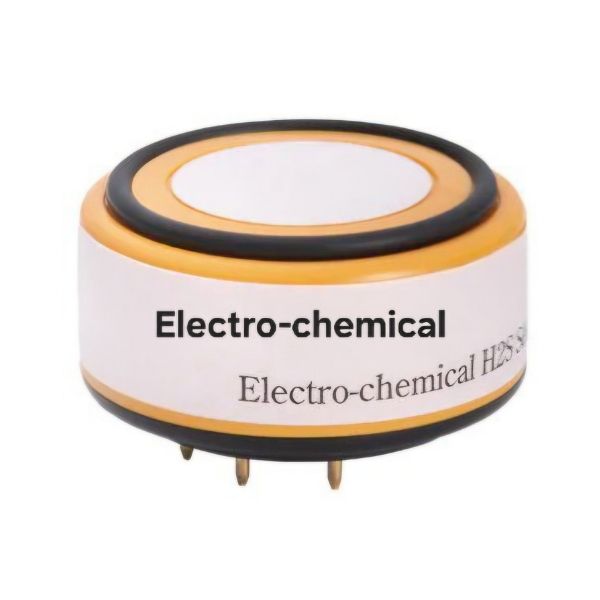
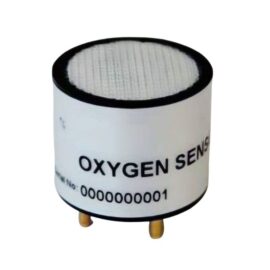
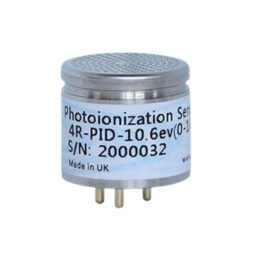
Electrochemical gas sensors detect toxic gases through an electrochemical oxidation or reduction reaction at a sensing electrode immersed in a liquid electrolyte. The measured gas diffuses through a permeable membrane to the sensing electrode, generating a current proportional to gas concentration. This detection principle delivers high specificity to the target gas species, low detection limits in the sub-ppm range, and stable performance over years of service. Common target gases include carbon monoxide (CO), hydrogen sulphide (H2S), chlorine (Cl2), ammonia (NH3), nitrogen dioxide (NO2), sulphur dioxide (SO2), and hydrogen cyanide (HCN). Each target gas requires a sensor specifically designed for that species - electrochemical sensors are not broadly cross-sensitive to most other gases, a significant advantage for safety-critical applications where false alarms have operational and regulatory consequences. Sensors are calibrated to output a linear signal against a certified reference gas concentration. Sensor life is typically 1-3 years in ambient air before replacement is required. Temperature and humidity compensation electronics maintain accuracy across operating ranges. ATEX and IECEx explosion-protected versions are available for hazardous area installation. Electrochemical gas sensors are the standard detection technology in fixed gas detection systems for chemical plants, oil and gas facilities, wastewater treatment works, mining environments, refrigeration plant rooms, and portable personal gas monitors for confined space entry - wherever toxic gas detection at low concentrations with high species specificity is required.